
CPA-led 1031 exchange guide
1031 Exchange Companies & Accommodators in Orange County
An Orange County 1031 exchange needs a Qualified Intermediary in place before the relinquished property closes, so the sale proceeds go to the intermediary instead of to the seller. S. Brandon Kress, CPA guides Orange County real estate investors from his La Jolla office and coordinates Qualified Intermediary execution through i1031. The 45-day identification period and the 180-day completion period start together when the sale closes.
The short answer
- Engage the Qualified Intermediary before the Orange County escrow closes. Proceeds should go to the intermediary, not to you.
- Identify replacement property in writing within 45 days. Close within 180 days, or by your tax return due date with extensions if that comes first.
- California treats a deferred exchange as exempt from real estate withholding at the sale, but cash you take out over $1,500 is subject to withholding.
- Buying replacement property outside California brings an annual FTB Form 3840 filing.
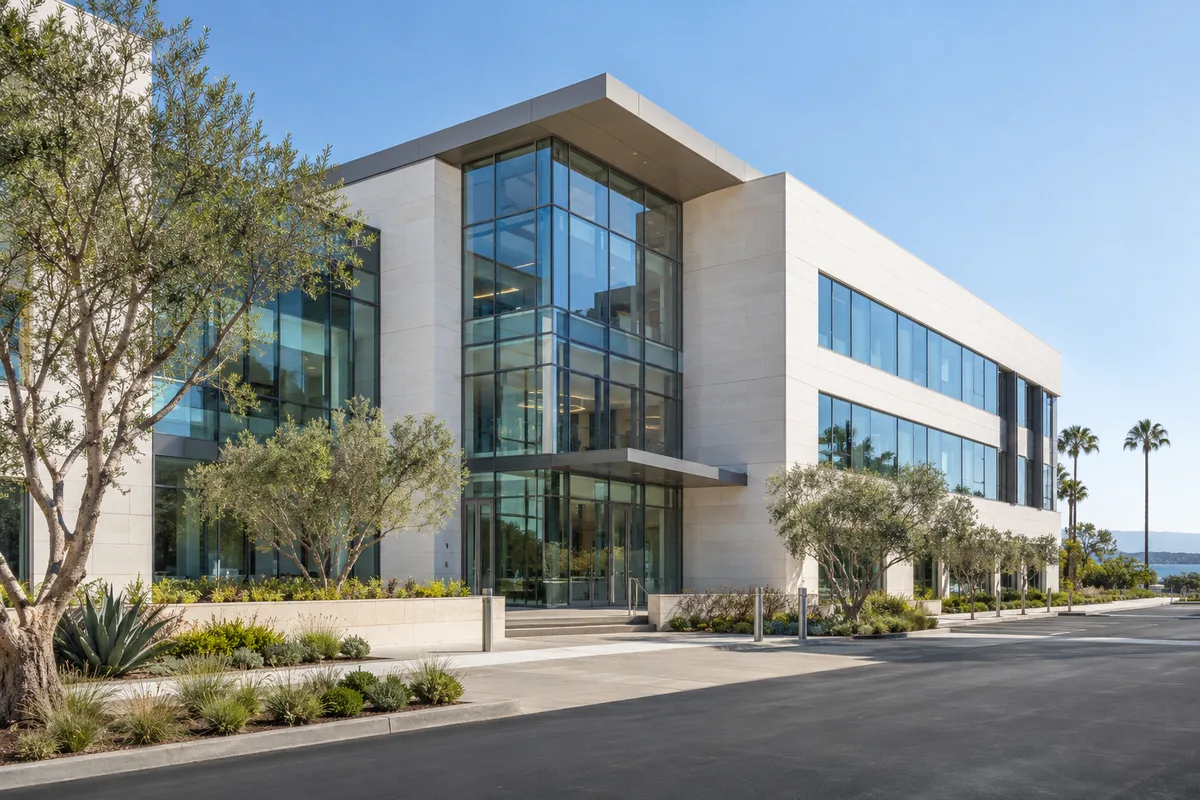
Plan before the Orange County escrow closes
The exchange agreement and assignment need to be signed before the relinquished property closes. That gives the investor, the Qualified Intermediary, the escrow or title team, the lender, the CPA and the attorney time to confirm who the taxpayer is, how title is held, the closing instructions and the replacement financing. Review the Qualified Intermediary services before you open escrow on the sale. The deferral itself is in IRC Section 1031. The accredited investor definition is a separate SEC Rule 501 question. The brief five numbers to review before a sale lists the file items to pull together first.
The 45-day and 180-day periods run together
Both periods start on the day the relinquished property transfers. Replacement property must be identified in writing within 45 days, and received within 180 days or by the due date of the tax return including extensions, whichever is earlier. Read the deadline rules and the identification methods before you list.
California withholding at the Orange County closing
California generally requires withholding when real property is sold, reported on FTB Form 593. If the sale is part of a deferred like-kind exchange, the sale is exempt from withholding at the time of the initial transfer. If the seller receives money or other property over $1,500 from the sale, the Qualified Intermediary must withhold. If the exchange does not take place or does not qualify, the intermediary withholds 3 1/3% of the sales price. See the California 1031 exchange rules for the full checklist.
Selling in Orange County and buying in another state
An Orange County investor may exchange California real property for qualifying real property in another state. California then requires FTB Form 3840 for the year of the exchange and each later year, generally until the deferred California-source gain is recognized on a California return. The gain stays California-source even after the property changes, so the investor's tax preparer should keep those records from the start.
Property tax is a separate question
A 1031 exchange defers federal and California income tax. It does not carry the old property's Proposition 13 assessed value to the new one. Buying the replacement property is generally a change in ownership that the county assessor reassesses at market value, so budget its property tax on current market value and confirm with the county assessor.
Common Orange County planning scenarios
The right replacement plan depends on investment purpose, ownership, financing, timing and available inventory.
- Exchanging a long-held rental condo or single-family rental for another investment property
- Moving from one multifamily building into two or more replacement properties
- Consolidating several Orange County rentals into one larger property
- Exchanging into replacement property outside California and keeping Form 3840 records
- Coordinating commercial, retail, industrial, multifamily or land closings
- Selling property held in an LLC or partnership, where the same taxpayer must sell and buy
Who you'll work with
S. Brandon Kress is a CPA. His office is at 4275 Executive Square, Suite 200, in La Jolla, and Qualified Intermediary execution is coordinated through i1031. Orange County engagements are handled by phone, email and secure document exchange, alongside the Orange County escrow or title company handling each closing. About Brandon.
Ask Brandon about your Orange County exchange
Tell Brandon about the property you plan to sell. He replies directly, and your details are not sold.
Frequently Asked Questions
Do you work with Orange County investors?
Yes. Brandon is based in La Jolla and provides CPA-led 1031 guidance for Orange County investors and investors nationwide, with Qualified Intermediary coordination through i1031. Meetings and documents are handled remotely.
When should I contact a Qualified Intermediary?
Before the relinquished property closes. The exchange agreement and closing instructions need to be in place before the sale proceeds are received.
Will escrow withhold California tax from my 1031 sale?
Per the FTB Form 593 instructions, a sale that is part of a deferred like-kind exchange is exempt from withholding at the initial transfer. If you receive money or other property over $1,500, the Qualified Intermediary must withhold, and if the exchange fails the intermediary withholds 3 1/3% of the sales price.
Can I sell in Orange County and buy in another state?
Qualifying U.S. real property can be exchanged for other qualifying U.S. real property. California requires FTB Form 3840 for the year of the exchange and each later year until the California-source deferred gain is recognized.
Does a 1031 exchange keep my Proposition 13 tax base?
No. The exchange defers income tax. Buying the replacement property is generally a change in ownership, and the county assessor reassesses it at market value.
Is an in-person meeting required?
No. The engagement can be handled by phone, email and secure document exchange while coordinating with the escrow or title teams handling the closings.
Sources
- FTB, 2025 Instructions for Form 593, Real Estate Withholding Statement
- FTB, 2024 Instructions for Form 3840, California Like-Kind Exchanges
- IRS, About Form 8824, Like-Kind Exchanges
- California BOE, Change in ownership: frequently asked questions
General educational information only. Not tax, legal, or financial advice. Your own tax and legal advisers should review your specific facts.